Most cases come down to a short list. The job is to work out which, and to rule out the ones that matter.
Condensation and surface mould
The commonest form of unwanted damp in British homes, and the one London makes worse: sealed windows, filled cavities and added insulation without matching ventilation. Moisture from cooking, showers and drying clothes has nowhere to go.
What to do: Ventilation, not a damp proof course. Extract where the moisture is made, and stop treating the symptom on the wall.
Rainwater from failed maintenance
The number one cause of penetrating damp is inadequate repair and maintenance, specifically blocked gutters and defective downpipes, poor pointing and defective roof coverings. In Hendon's interwar semis a cracked hopper on a party wall is the classic mystery damp patch.
What to do: Clear and repair the rainwater goods first, then give the wall a season to dry before anyone assesses it again.
Bridging at the base of the wall
Soil in a flower bed, a raised patio, new block paving, decking, or render carried down over the damp proof course. All of them let water step over a perfectly good DPC.
What to do: Lower the ground, or cut the render back above the DPC line. This is groundwork, not damp proofing, and it costs a fraction of one.
Wet rot where the water is
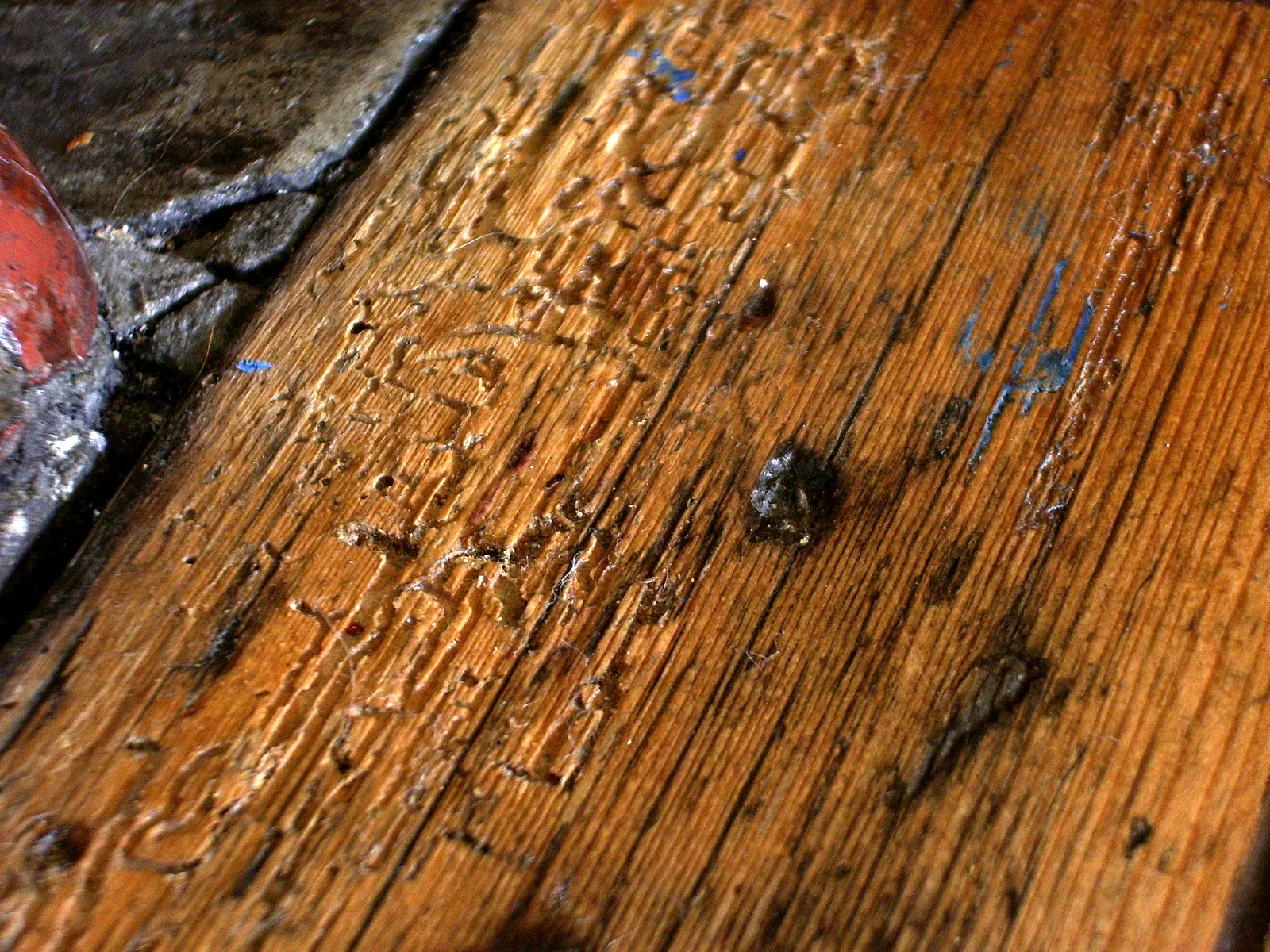
Under a bath, beneath a shower tray, at the foot of a door frame, at a joist end built into a wall below a leaking gutter. Timber goes soft and dark or crumbly, and the decay stops exactly where the water stops.
What to do: Find and stop the leak, dry the area, cut out and replace the decayed timber. Often a carpenter and a plumber for a day or two.
Dry rot, which is different and does matter
Sheets or strands of grey-white growth crossing masonry and plaster as well as timber. Wood that has darkened, shrunk and cracked into cubes. A rust-orange fruiting body, or fine rust-coloured dust on nearby surfaces. It travels through small cracks looking for new timber.
What to do: Get it investigated properly. It is still one organism with one requirement, which is wet wood, so the job is to find the water, trace how far it has gone and replace what is destroyed.
True rising damp
Real, and the rarest of the three the government measures. It needs an actual mechanism: no DPC at all, or one that has been physically bridged or destroyed. A meter reading on plaster is not that mechanism.
What to do: Ask for a moisture profile from drilled samples at increasing heights, not a surface reading, and only after the ground levels and gutters have been sorted.